

Wasted resources. Useless steps.
Every organisation holds value it isn't using yet. Breaking Silos is a practical method for finding it and for trading across the walls, so every party keeps its own goal and gets further.
Stories from the book
Real exchanges, with their numbers and sources
Energy · Trophy
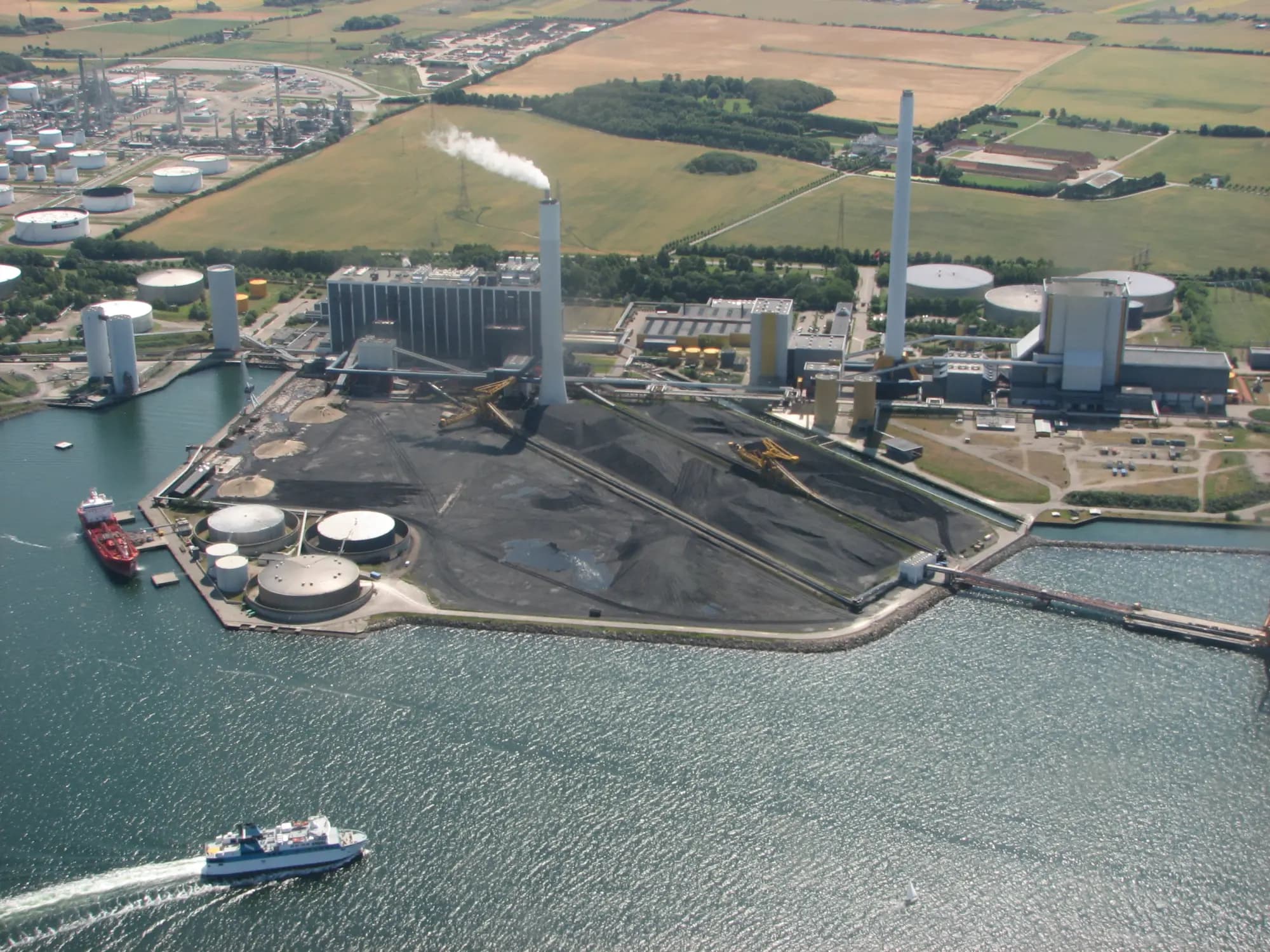
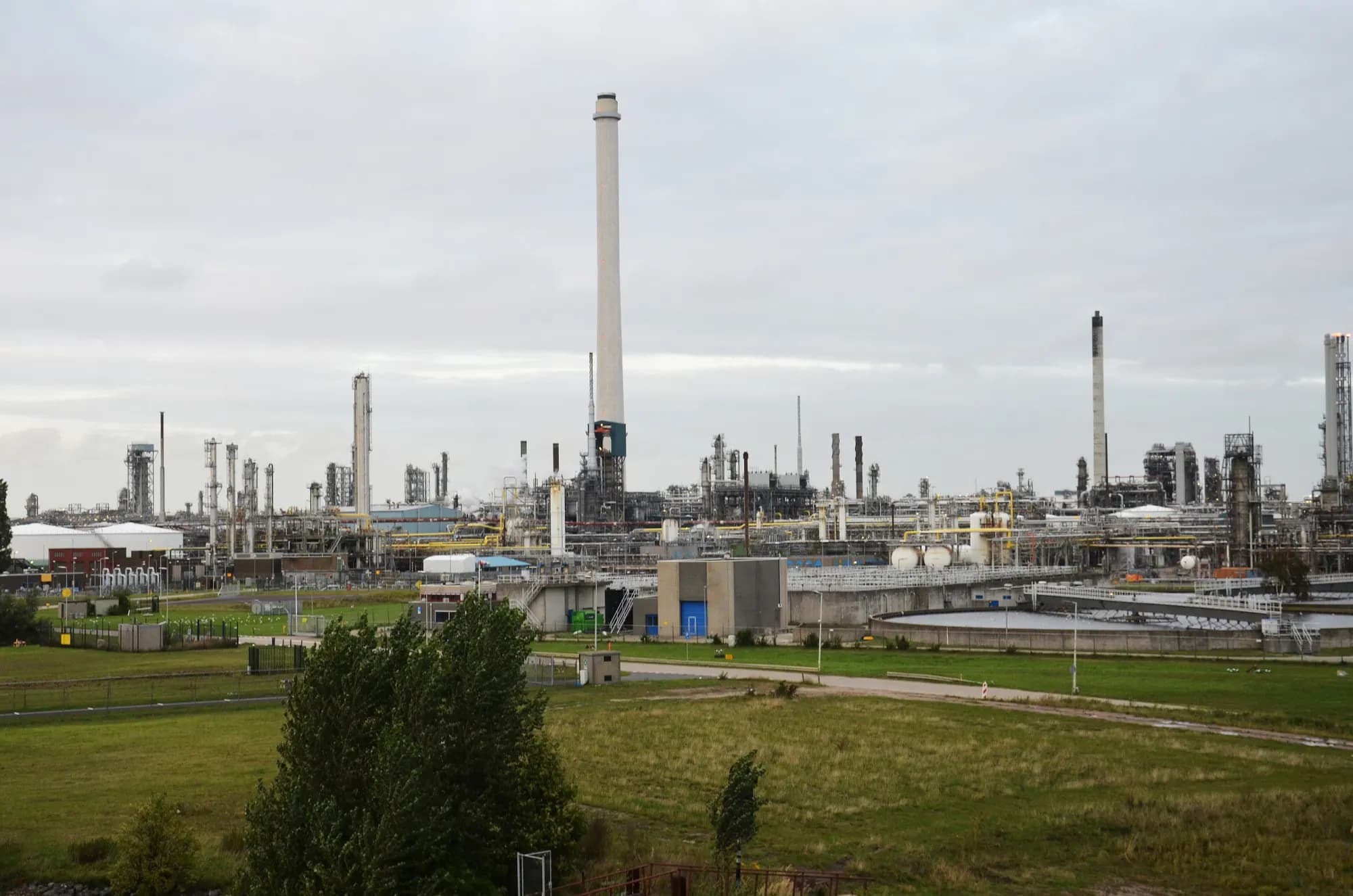
OCAP
A disused oil pipe carries the refinery's CO2 to greenhouses
~300,000 tof pure CO2 a year delivered to greenhouses
Energy · Trophy
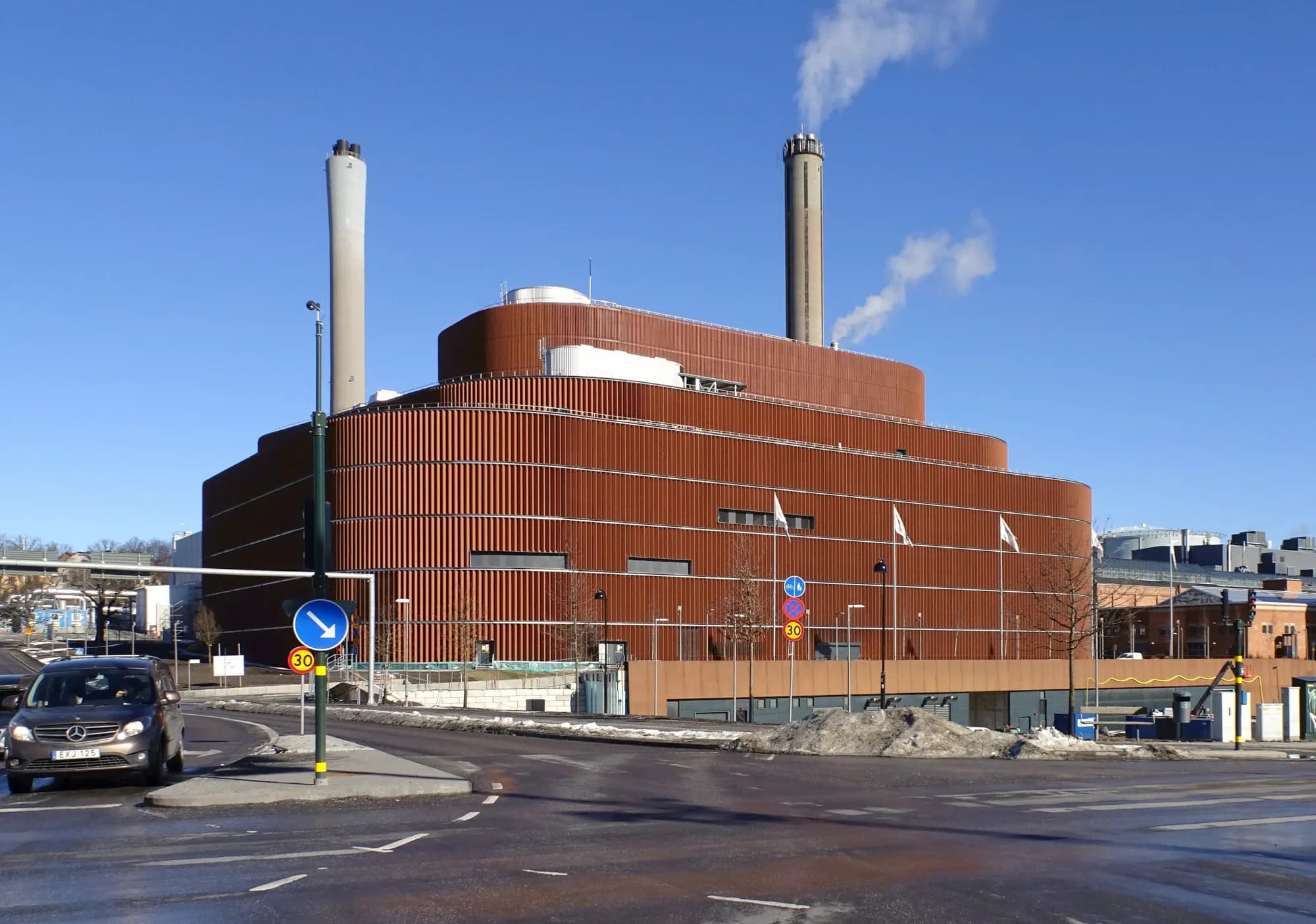
Stockholm Open District Heating
Waste heat with a price list
30+data centers connected to the city's heat network
Trash · Trophy
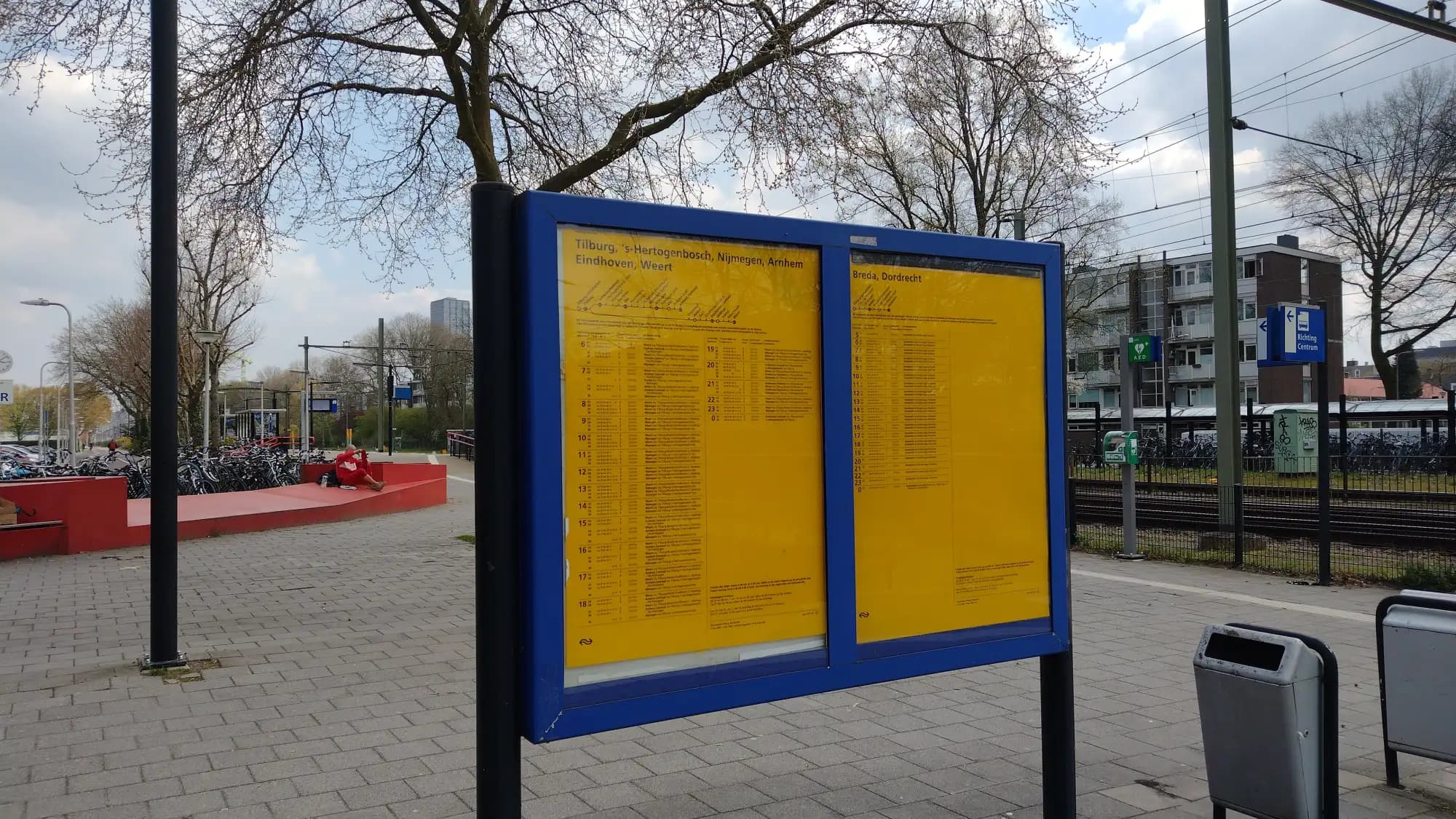
NS timetable boards
The railways' yellow boards, sold because they are obsolete
~3,400boards replaced at every annual timetable change
Waste is an address, not a thing.
The question is never “what is this worth?” but “where is this worth something?”
The method in four steps
Read the method1
Scan
Map the five leaks and the chain's steps, and put numbers on them, however rough.
2
Match
Find the address where your waste is an input: inward, nearby, across.
3
Design
Build the trade on the seven conditions.
4
Guard
Watch for the failure modes. They arrive after the ribbon is cut.
The numbers
- 97%
- of what a sector does is shared with other sectors, so there is room to trade
- 80%
- of industrial data is still waiting to be used
- 23h
- a day the average car is free for something else
- 11.8¢
- of the food dollar reaches a farm, and the rest is steps to redesign
From one garden to thirty-five cases and seven conditions.
The book is sold direct from the maker to the reader, with every euro of the price shown on the page.