
Energy · Trophy
Stockholm Open District Heating
Waste heat with a price list
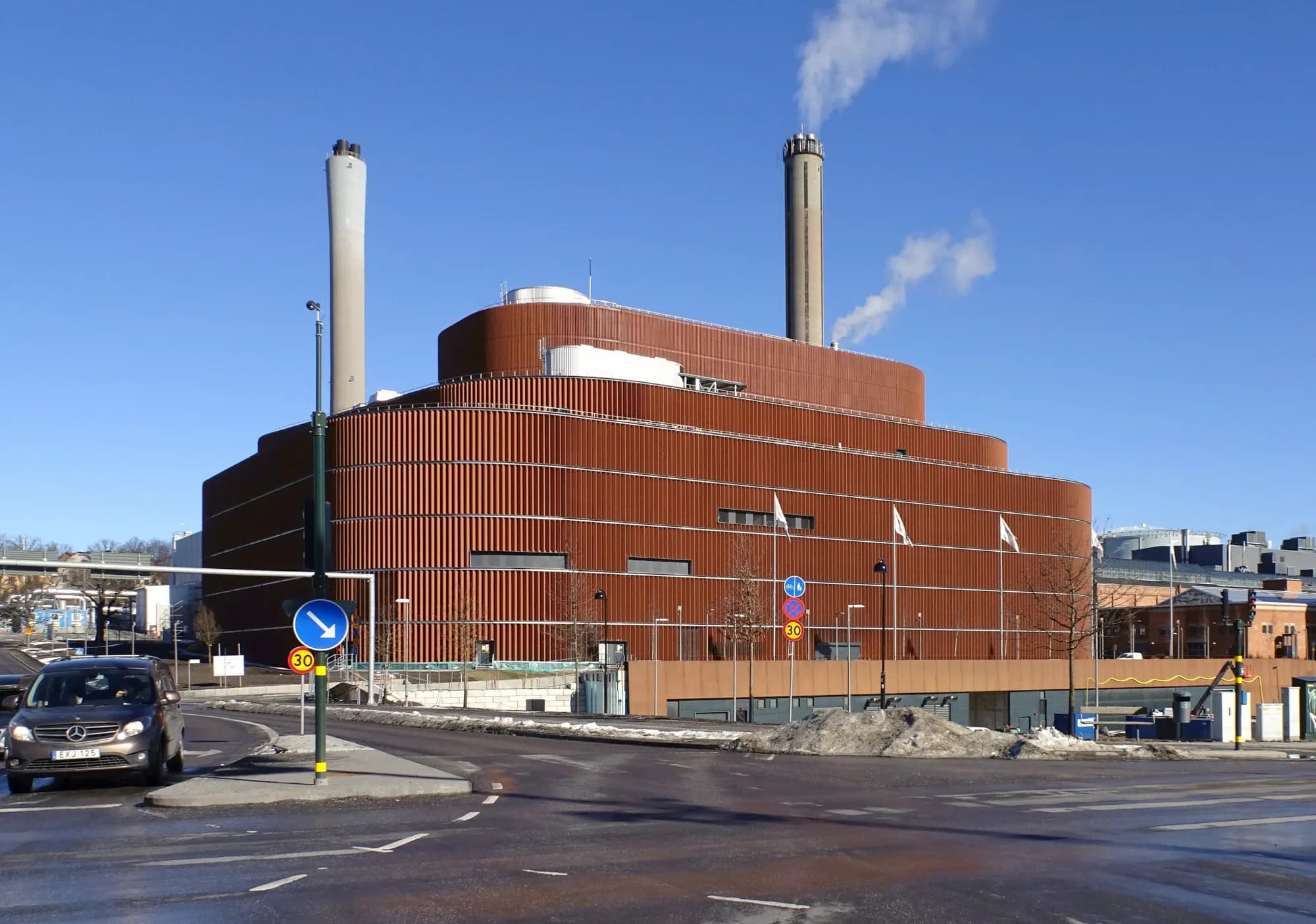
30+data centers connected to the city's heat network
Waste heat is usually the wrong temperature in the wrong season at the wrong distance. A data center exhales air of about thirty degrees, which is useful for a home radiator only after a heat pump lifts it to seventy. Somebody must buy that heat pump, dig that trench, guarantee that delivery for twenty winters. The waste is free, but the exchange always costs money.
Most utilities treat every waste-heat source as a new negotiation, project by project.
Stockholm completed the thought. Its utility publishes a standing tariff for waste heat: any data center that connects gets paid, per megawatt, at a listed price. Thirty-plus data centers now feed the network. There were no pilots, memoranda or ribbon-cuttings. It is a default.
Run the method over it
Between two silos there is always friction: who invests, who prices, who takes the risk, who is trusted. Stockholm parked that friction with the network itself. The published tariff is the neutral broker in its most compact form. It turned waste heat into something with a price list. The data center keeps its objective, running servers, and earns from its exhaust. The utility keeps its objective, warming the city, and gets a source it did not have to build.
That is why this is the single most copyable idea in the energy chapter. Every network utility in Europe could copy it tomorrow.
Design the default, not the drama. Ask of any exchange what happens on a rainy Tuesday in November, when nobody is watching. In Stockholm the heat flows, and the invoice goes out at the listed price.
Sources
- Stockholm Exergi: Open District Heating: Since 2014: published tariff for recovered heat; 30+ connected data centers; ~11,000 apartments heated from recovered sources. URL redirects to Stockholm Exergi's heat-recovery page.
What's your version of this?
Somewhere in your organisation, a energy leak is waiting for its address. Start with the scan question.