
The scan question · chapter 5
Where in this system is a resource not fully used, or a step not truly needed?
Ask it about your own organisation tonight. Write down the first five answers and put numbers on them, however rough. “We vent heat” is a complaint; “we vent two megawatts at thirty degrees, October to April” is a tradeable fact.
The leftovers with a shape
What do we throw away that someone else would buy?
Byproducts, offcuts, expired stock, worn-out gear. The only category most companies manage, usually by paying someone to make it disappear.
Every year we pay to dispose of what another sector buys as raw material.
See trash casesThe leftovers without a shape
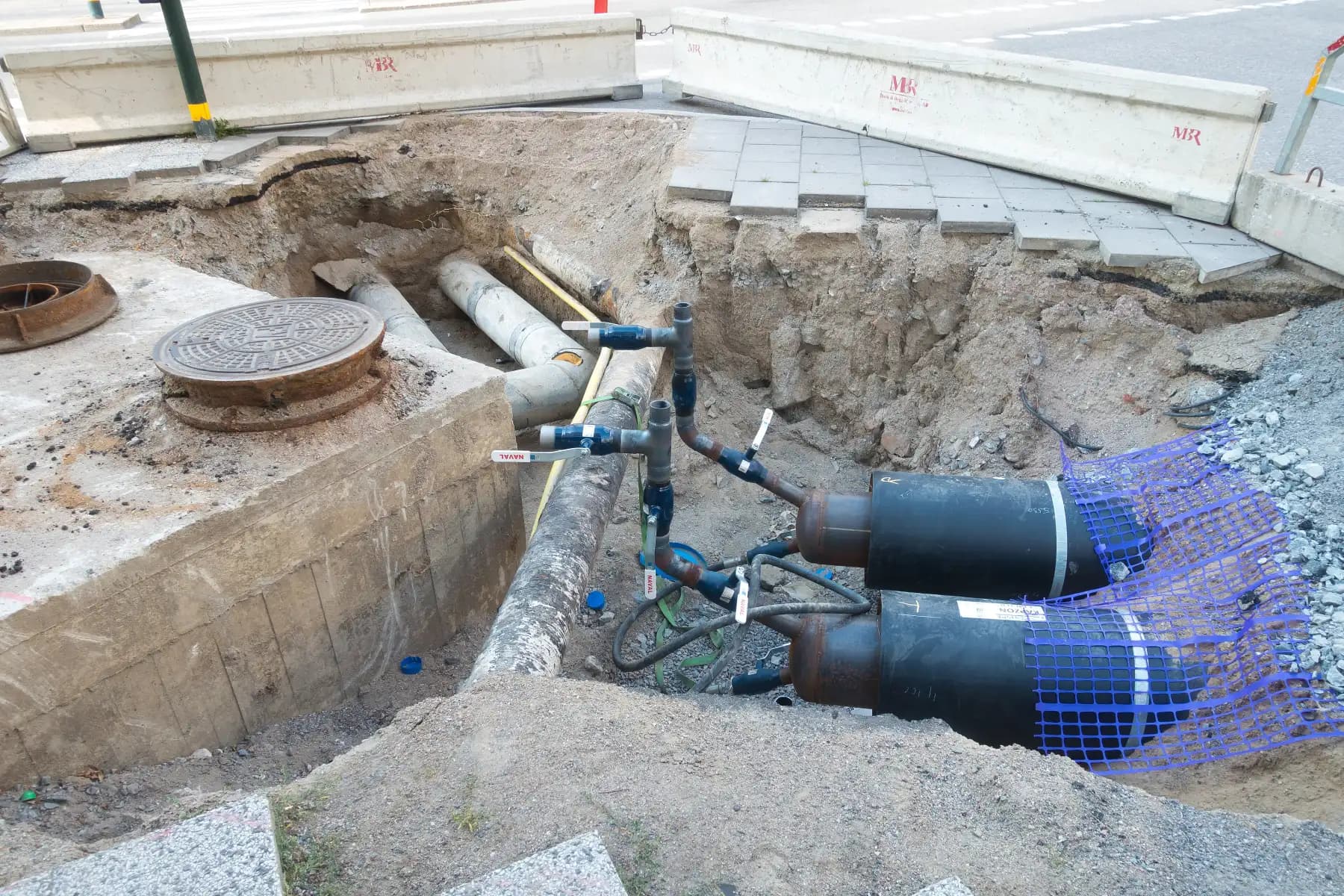
What heat or gas could warm someone else?
Heat, cold, steam, pressure, gases. Often purest at the exact moment somebody nearby buys the same energy at full price. Real, but never free.
Who lifts it, who moves it, who guarantees it? The answers are the business case.
See energy casesThe value that stands still
What stands still, and who could use it then?
Machines, trucks, warehouses, offices: bought for the peak, idle in the valley. The average car is parked twenty-three hours a day.
Whose valley matches our peak?
See assets casesThe value that goes home at five
What are our people great at that we never ask?
Skills your people have that your processes never ask for. The maintenance engineer who paints, the analyst who codes, the retired expert ten minutes away.
Search by problem rather than by credential.
See capabilities casesThe value that doesn't wear out
Which of our data would help someone next door?
Data about machines, flows, customers, failures. Around eighty percent of industrial data is never used, and it is the only resource you can trade without losing it.
Who next door would pay for what dies on our servers?
See information casesThe steps nobody would design in today
Which step in our chain could someone do better, or nobody at all?
Chains are a pattern of steps. Each one was added for a reason once: to connect, check, store, vouch. Reasons expire, but the steps stay.
For each step: who performs this function at the lowest transaction cost, software and nobody included?
See chains casesMail me the full scan questions
One page per category, the way the book's 90-day playbook uses them. You'll also get the newsletter: one new case when there is one. Unsubscribe any time.